Parents exploring early childhood education in Singapore often encounter Reggio Emilia for its creative, child-led approach. But many wonder: Is it enough for their child to thrive academically, socially, and emotionally in the years ahead?
The answer lies in pairing Reggio Emilia with Habits of Mind™ (HOM) — a structured framework that teaches children specific thinking habits, such as persisting through challenges, reflecting on their actions, managing impulses, collaborating effectively, and solving problems thoughtfully. These skills help children navigate difficult tasks, make intentional choices, and build resilience.
In this article, we explore 8 reasons why Reggio Emilia alone is not enough — and why embedding Habits of Mind™ is critical for developing resilient, adaptable, future-ready children.
What Is Reggio Emilia?
The Reggio Emilia approach is a child-centred philosophy emphasizing:
- Child-led projects based on interests
- The environment as the “third teacher”
- Collaboration, creativity, and multiple forms of expression
Many classrooms, including Mulberry Learning, use Reggio-inspired spaces to nurture exploration and curiosity.
What is Habits of Mind™?
Habits of Mind™ is a research-based framework developed by Arthur Costa and Bena Kallick. It identifies 16 thinking dispositions, including:
- Persisting through challenges
- Thinking flexibly
- Managing impulsivity
- Listening with empathy
- Reflecting on one’s thinking
At Mulberry Learning, Habits of Mind™ is embedded into daily activities, helping children develop resilient, independent thinking skills.
But what are the differences? And why is Habits of Mind so important?
1. Environment VS Thinking Skills
Reggio Emilia focuses on creating inspiring, stimulating spaces. Habits of Mind™ ensures children can think effectively within those spaces, turning curiosity into purposeful problem-solving.
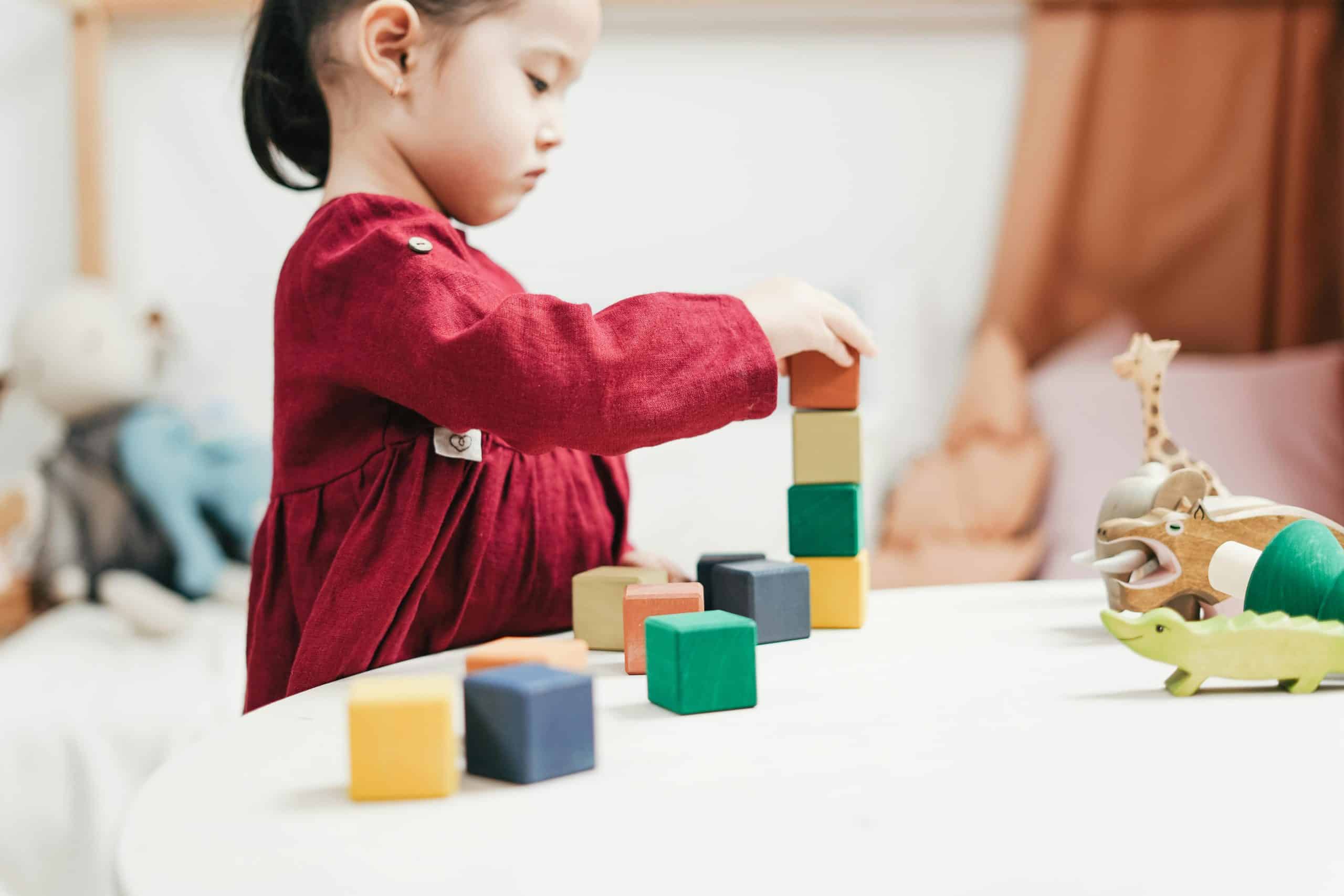
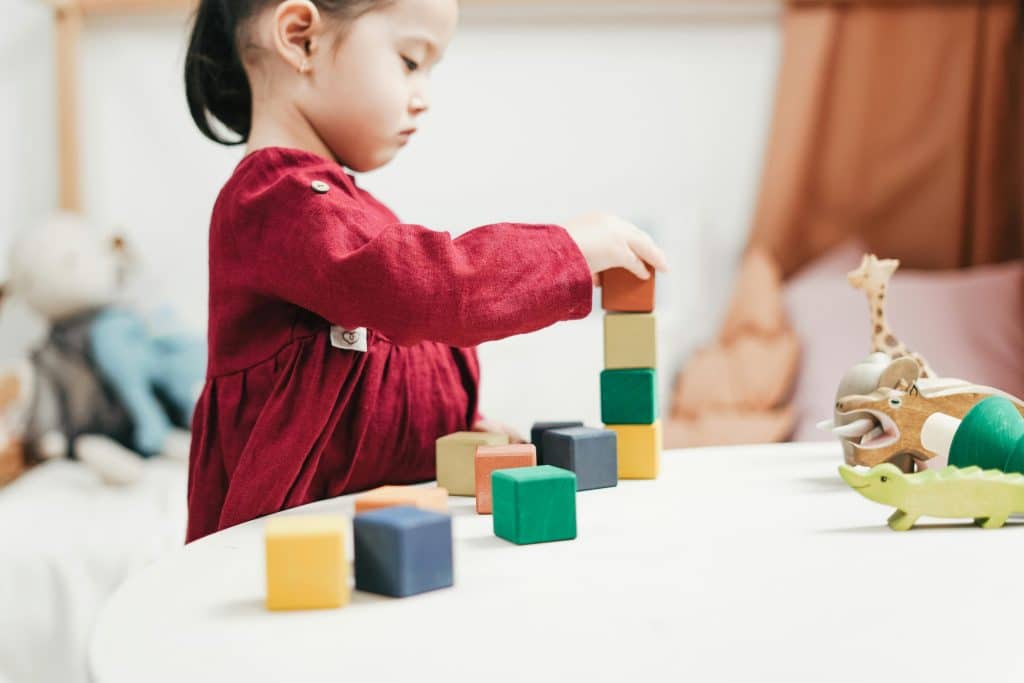
Example: A child is building a tall tower with blocks in a Reggio-inspired classroom. The tower collapses repeatedly.
- Without guidance from Habits of Mind™, the child might become frustrated, knock the blocks over, or walk away, missing an opportunity to learn.
- With Habits of Mind™, the teacher helps the child pause and reflect:
- Observation: The child notices which parts of the tower are unstable.
- Hypothesis: They wonder if changing the base shape or rearranging the blocks could help.
- Experimentation: They rebuild, testing different configurations and observing results.
- Reflection: They discuss with the teacher or peers why some designs worked better and which strategies helped them succeed.
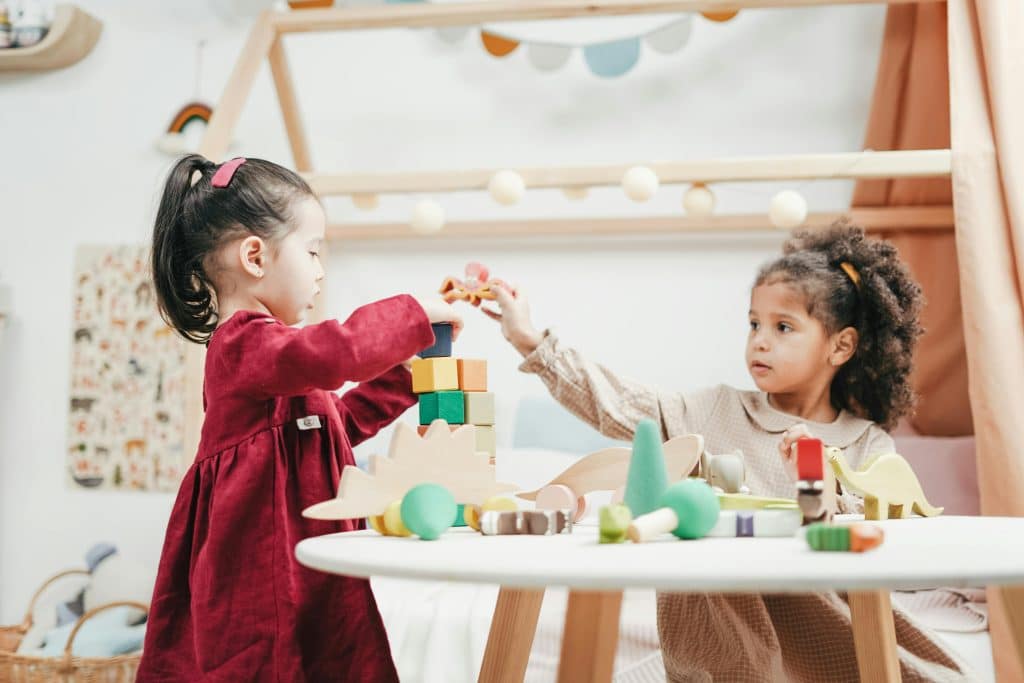
Extended Example: Another child building a collaborative tower with friends initially struggles to coordinate block placement. Habits of Mind™ encourages them to communicate ideas, compromise, and plan together, so the tower stands taller than before. They learn to adapt to both physical and social challenges, not just the structure itself.
This approach teaches children resilience, critical thinking, and reflection, skills that transfer beyond preschool. Parents will see that their child can:
- Approach obstacles with confidence instead of frustration
- Evaluate strategies and adapt to challenges
- Apply these problem-solving skills to schoolwork, creative projects, sports, and everyday life
By combining Reggio Emilia’s inspiring environment with Habits of Mind™, children learn not just what to explore, but how to think while exploring.
2. Curiosity VS Persistence
Reggio Emilia sparks curiosity, while Habits of Mind™ teaches children to persist when their initial attempts don’t succeed.
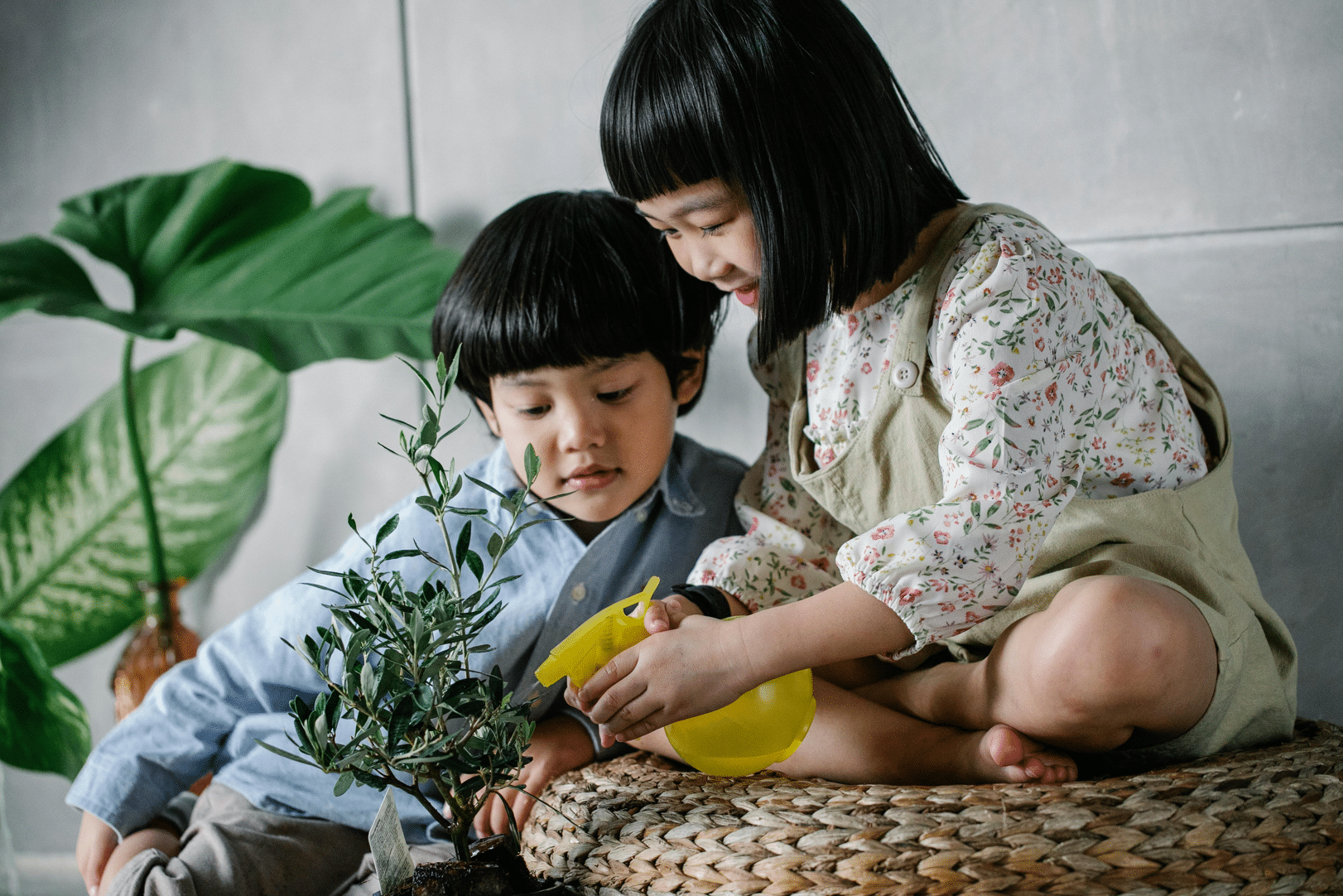
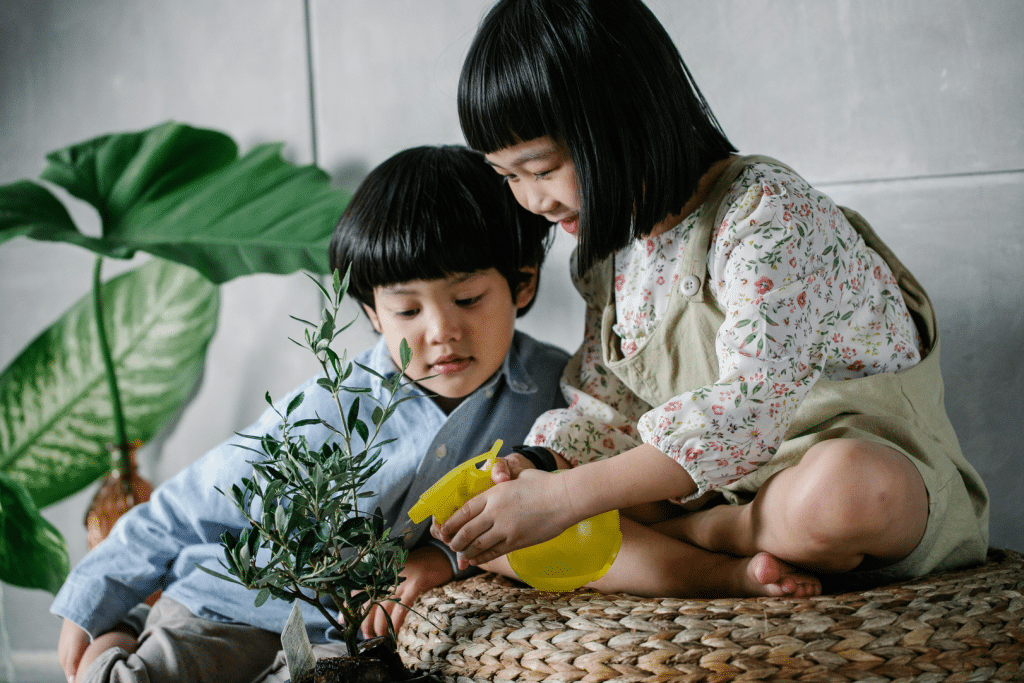
Example: Some children are planting seeds for a mini garden project. They are excited to see flowers and vegetables grow. After several days, nothing sprouts.
- One child, without guidance, loses interest, stops watering the seeds, and moves on to another activity.
- Another child, guided by Habits of Mind™, approaches the situation differently:
- Observation: They notice that the soil is dry in some pots.
- Hypothesis: They wonder if adjusting the amount of water will help the seeds grow.
- Experimentation: They water the soil consistently, track sunlight exposure, and perhaps even adjust the position of the pots.
- Documentation: They record their observations in a simple chart or journal, noting what changed and what happened next.
- Reflection: They discuss with the teacher why some seeds might grow faster, learning to analyze and adapt strategies.
Extended Example: Another child notices that some seeds are sprouting while others aren’t. They hypothesize that different amounts of sunlight affect growth, then move pots to a sunnier spot and compare results over several days. Through this process, they learn to test ideas, notice patterns, and adapt strategies instead of giving up.
Habits of Mind™ equips children with a growth mindset. They learn that effort, patience, and experimentation are key to success. Parents will see their child:
- Approach challenges with curiosity rather than fear
- Persist through setbacks in schoolwork, sports, or hobbies
- Celebrate small successes and learn from mistakes
This is more than gardening — these skills transfer to academic learning, creative projects, and problem-solving in everyday life, helping children become resilient, independent, and confident learners.
3. Expression VS Reflection
Reggio Emilia encourages children to express ideas through multiple forms — art, movement, language. Habits of Mind™ adds the reflection layer, helping children think about how and why they made choices.
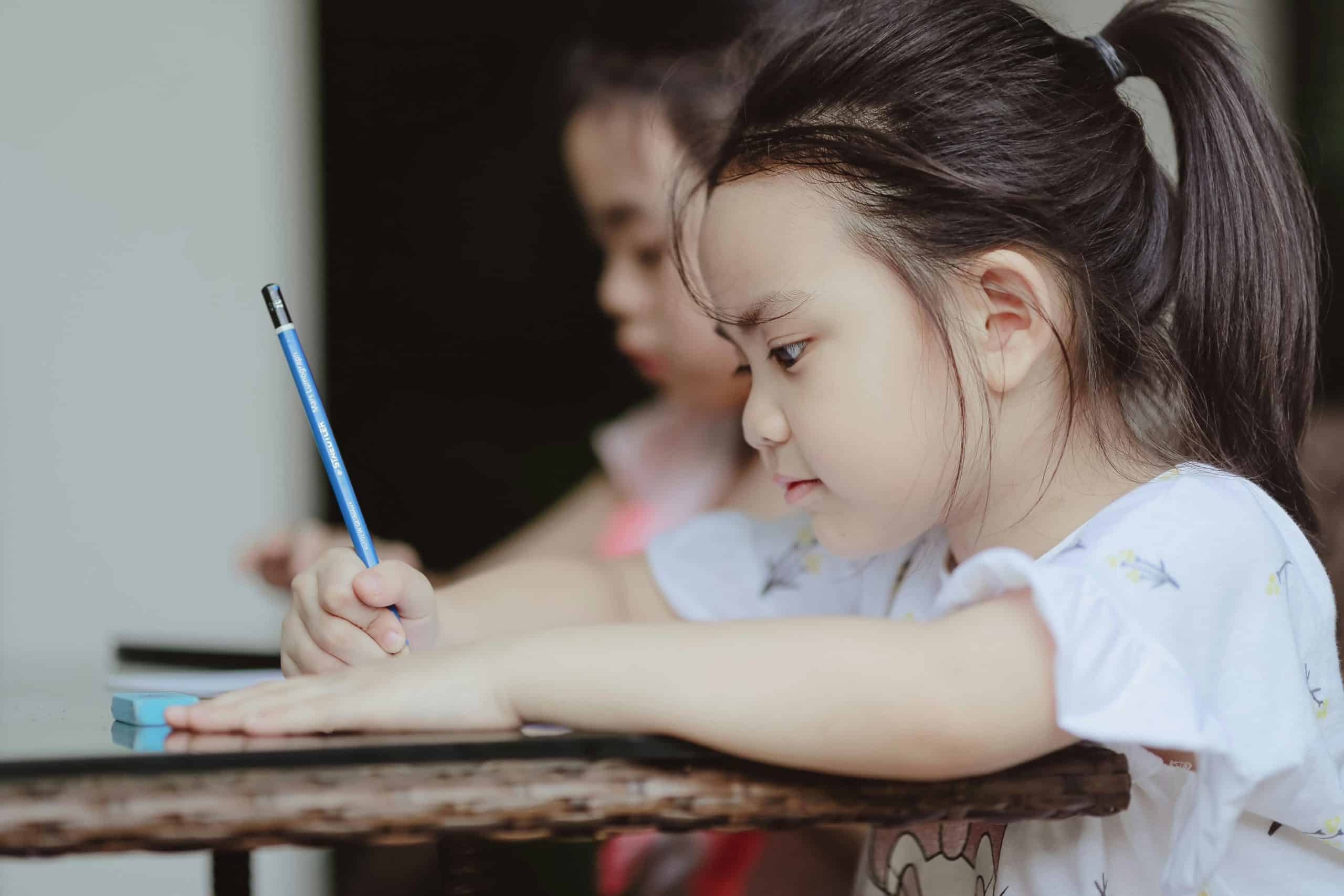
Example: A child is creating a family tree using drawings, cutouts, and stickers.
- In a Reggio-inspired classroom, the child freely selects materials, arranges family members, and tells a story about each person — expressing creativity and narrative skills.
- With Habits of Mind™, the teacher prompts reflective questions:
- “Which part of your tree was easiest to draw?”
- “Which part was challenging and why?”
- “If you did this again, what would you do differently?”
- “What did you learn about yourself while doing this project?”
Step-by-step observation:
- Planning: The child thinks about layout and order — who goes where.
- Evaluation: They notice that adding grandparents was tricky because of limited space.
- Problem-Solving: They adjust their design, testing different arrangements.
- Reflection: They articulate what worked well, what they learned, and how to improve next time.
Habits of Mind™ ensures that children are not just producing art or projects — they are developing self-awareness, planning skills, and metacognition. Parents can observe their children:
- Thinking critically about their work
- Making intentional choices
- Evaluating their own progress
- Celebrating small successes
These reflection skills help children become independent learners, better prepared for school assignments, problem-solving tasks, and even everyday decision-making. Children learn that learning itself is a process, not just an outcome.
4. Project Learning VS Transferable Thinking
Reggio projects inspire creativity, but children need thinking skills that carry beyond a single project.
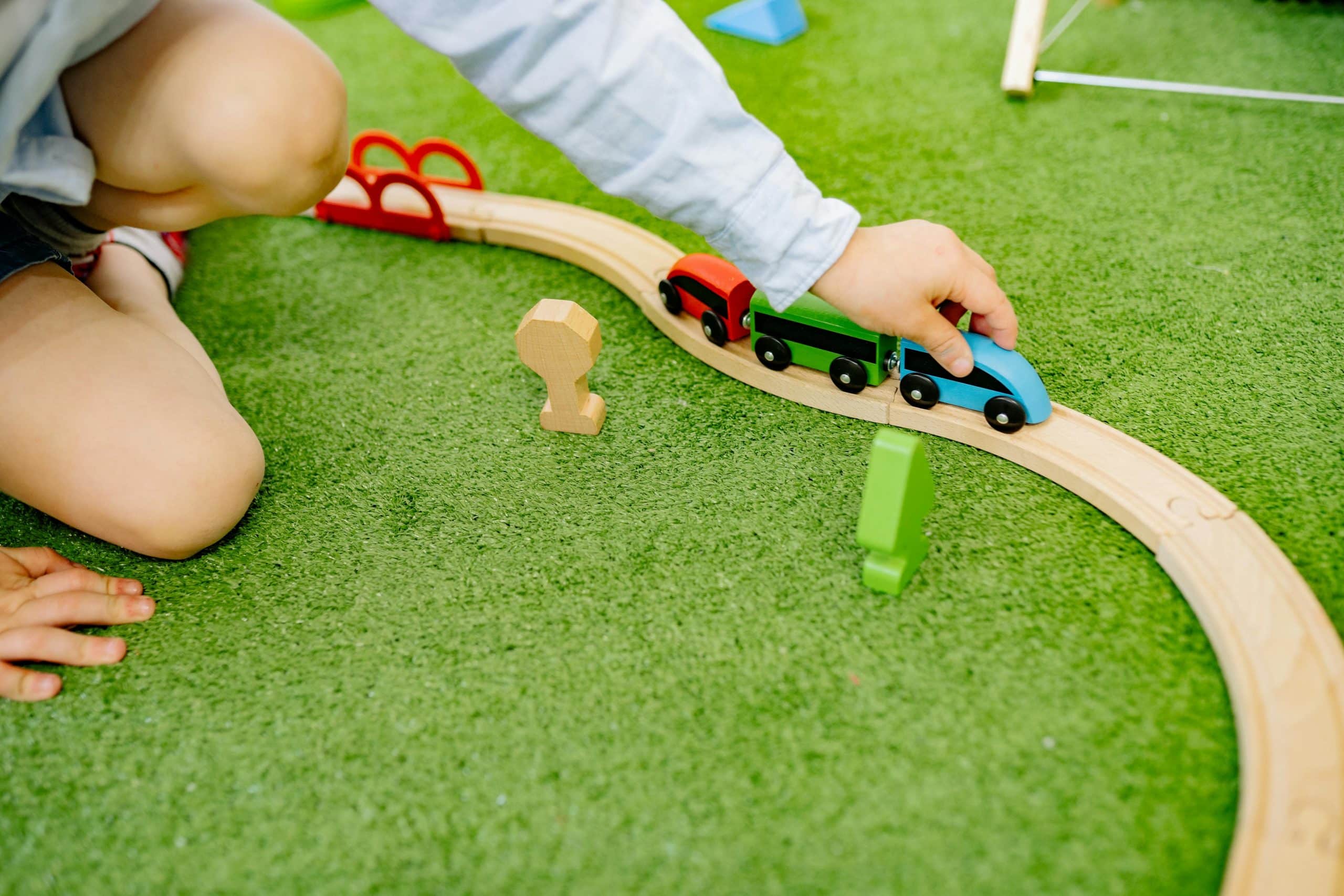
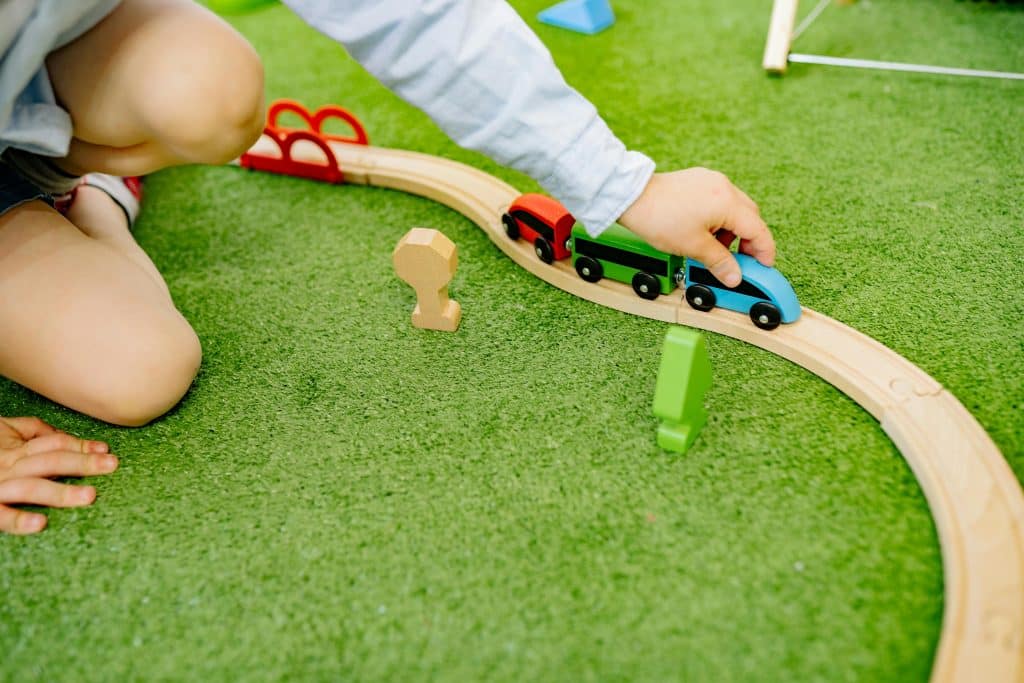
Example: During a transportation-themed project, children are tasked with designing a cardboard car that can roll down a ramp efficiently.
- In the Reggio Emilia setting, children are encouraged to explore freely: choosing materials, testing designs, and adjusting their creations based on trial and error.
- With Habits of Mind™, teachers explicitly guide children to think about how they are solving problems: “What strategy worked? Why did the car roll faster when we made the base wider?” or “What could we try differently next time?”
- Later, the same child is asked to build a paper bridge for a marble run in a maths activity. Because they practiced structured problem-solving, reflection, and adaptability during the car project, they are able to transfer those strategies: planning a design, predicting outcomes, experimenting, and reflecting on what works.
Extended Example: Another child notices during the transportation project that their car is top-heavy and keeps tipping over. Habits of Mind™ prompts them to:
- Observe and identify the problem (top-heavy car tips over)
- Hypothesize solutions (shift weight to the base, use wider wheels)
- Experiment systematically (try one adjustment at a time)
- Reflect on results (this worked better, that didn’t)
Months later, during a classroom science experiment with water flow or building towers, the child naturally applies the same problem-solving and reflection skills. They’re not just doing similar tasks — they’re transferring thinking habits learned from one activity to another, independently.
This is where Habits of Mind™ really shows its value. Children don’t just complete one project and move on; they develop thinking strategies that are adaptable across subjects and situations. Parents can see their children applying lessons from one activity to reading, maths, science experiments, and even social problem-solving — supporting continuous learning, creativity, and adaptability from preschool into primary school and beyond.
5. Child-Led Learning VS Self-Regulation
Reggio Emilia’s child-led learning approach promotes independence, but Habits of Mind™ ensures that independence is productive, teaching children how to regulate their behaviour and make thoughtful choices.
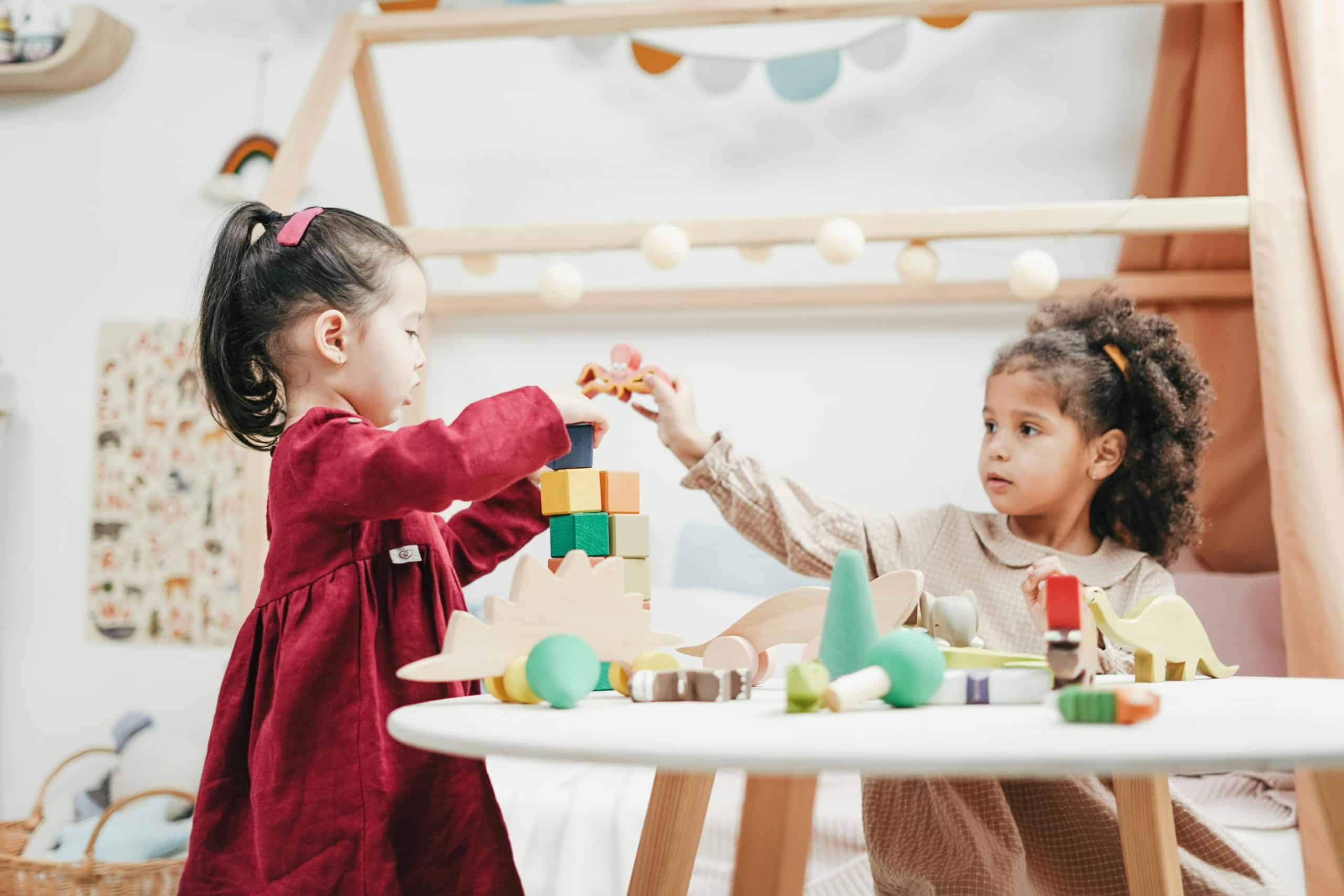
Example: During free play, a child eagerly grabs a peer’s toy without asking.
- Without guidance, this impulsive action could lead to conflicts, frustration, or hurt feelings.
- With Habits of Mind™, the teacher helps the child pause and think:
- Awareness: The child recognizes that the toy belongs to someone else.
- Reflection: They consider alternative ways to play or wait their turn.
- Strategy: They use words to negotiate: “Can I use this after you?”
- Collaboration: The child practices waiting, taking turns, and responding empathetically.
Extended Example: Later, the same child encounters a group activity where sharing art supplies is necessary. Because of the self-regulation practiced earlier, they can:
- Plan their actions in advance
- Ask politely for resources
- Adjust behaviour if conflicts arise
- Reflect on how their actions affect others
Habits of Mind™ helps children develop emotional control, empathy, and social skills. Parents will notice that their child will be able to:
- Manage impulses and frustration more effectively
- Negotiate and communicate respectfully with peers
- Navigate classroom rules and friendships smoothly
- Apply self-regulation in group activities, school routines, and everyday life
By combining child-led exploration with Habits of Mind™, children learn not just to act independently but to act thoughtfully and responsibly, building a foundation for both social and academic success.
6. Collaboration VS Thinking Together
Reggio Emilia encourages children to work together on projects, explore, and express ideas. But collaboration isn’t automatic — it requires deliberate thinking skills. Habits of Mind™ teaches children how to work together effectively, turning creative exploration into meaningful teamwork.
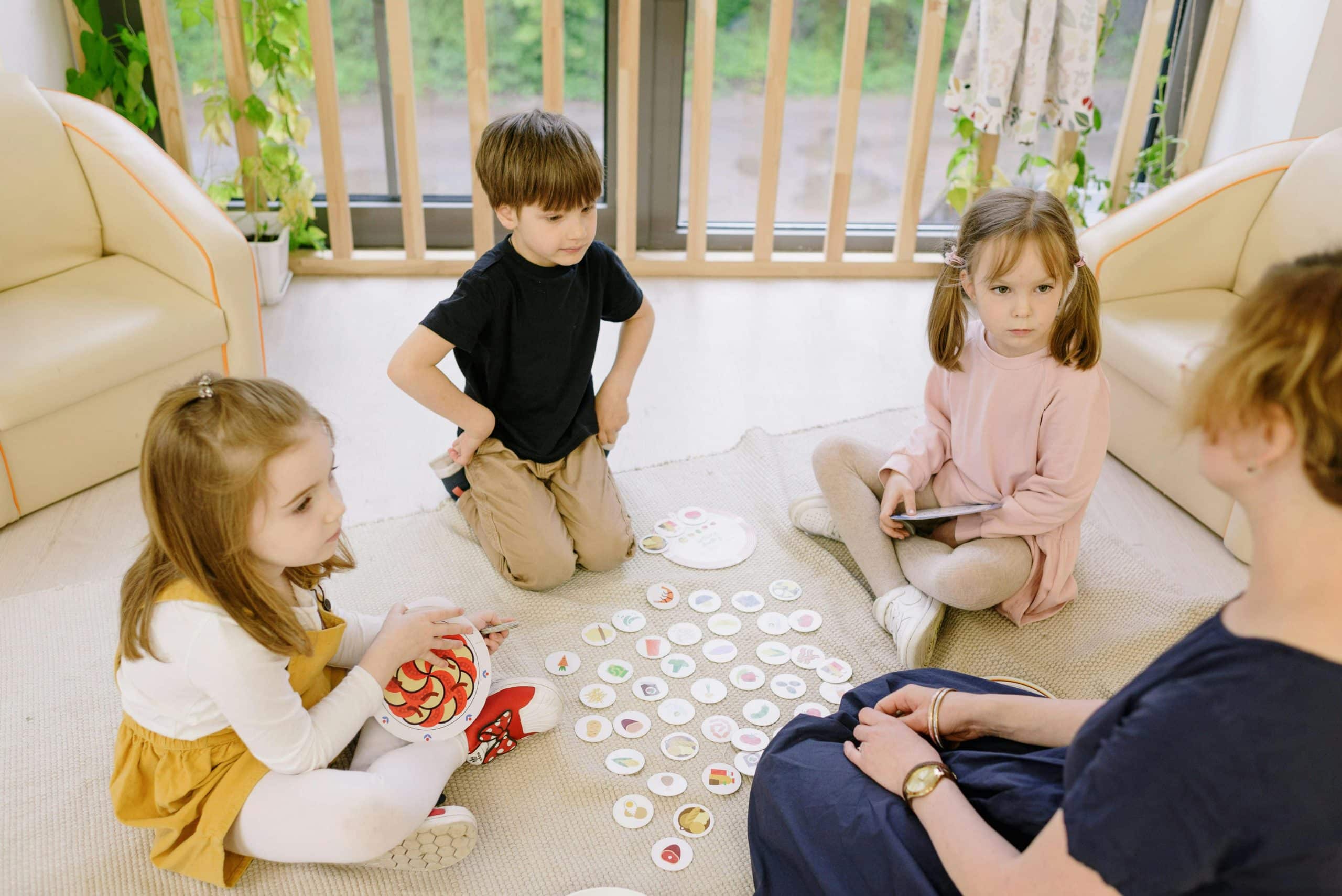
Example: Two children are building a marble run in a Reggio-inspired classroom.
- Reggio Emilia provides an open-ended project where children decide how to build and test the marble run. Each child brings their own ideas and creativity to the activity.
- Without guidance, disagreements arise — each wants their design to dominate, and progress stalls.
With Habits of Mind™, the teacher steps in to guide structured thinking:
- Listening: Each child listens to the other’s idea without interrupting.
- Integration: They combine the best parts of both designs — maybe one child’s ramp is faster, the other’s turn is more stable.
- Experimentation: They test the combined design to see if it works, adjusting along the way.
- Reflection: After the marble run succeeds, they discuss what strategies worked, what they learned, and how they could improve next time.
Extended Example: Later, the same children tackle a group art project in the Reggio-inspired classroom. They naturally:
- Take turns suggesting ideas
- Respect each other’s creative choices
- Solve minor disagreements constructively
- Celebrate shared success
Combining Reggio Emilia’s open-ended, child-led projects with Habits of Mind™’s structured thinking helps children develop teamwork, empathy, and cooperative problem-solving. Parents can see their children:
- Successfully navigating group tasks in school and life
- Communicating ideas respectfully while considering others’ perspectives
- Applying collaboration skills across academics, sports, and social settings
By embedding thinking skills into collaborative exploration, children not only create better projects — they learn how to work effectively with others in real-life situations.
7. Curiosity VS Problem-Solving
Reggio Emilia encourages curiosity through open-ended exploration and hands-on challenges, but curiosity alone isn’t enough — children need strategies to persist when tasks become difficult. Habits of Mind™ teaches them how to sustain curiosity and solve problems effectively.

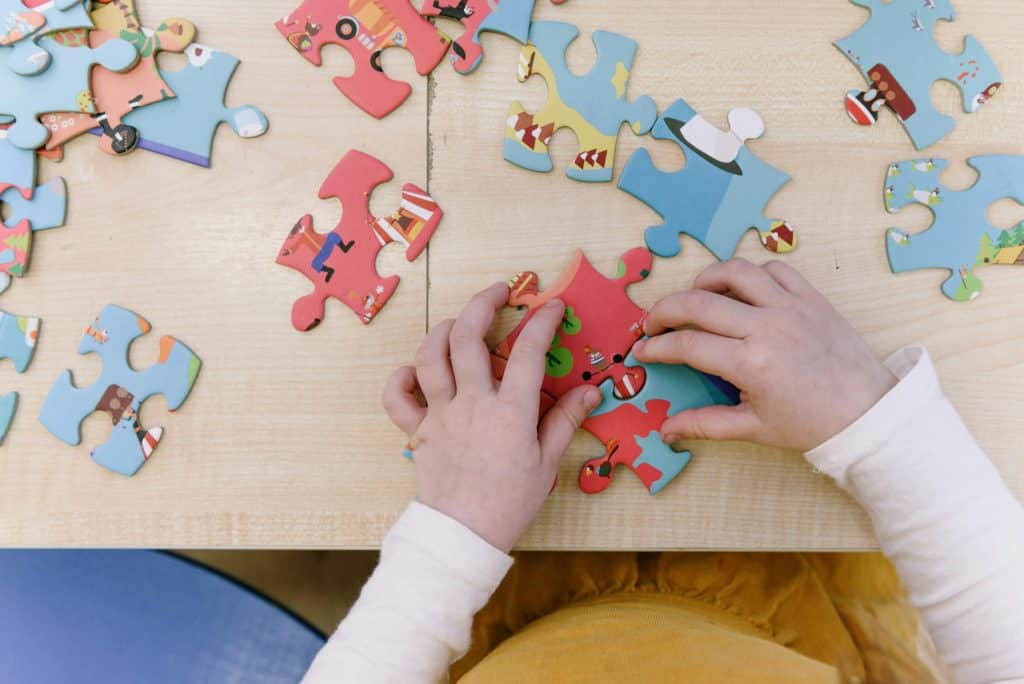
Example: A child encounters a tricky puzzle in a Reggio-inspired classroom.
- Reggio Emilia aspect: The child is free to explore the puzzle independently, choosing which pieces to try and how to approach the problem. The classroom encourages creativity, experimentation, and self-expression.
- Without Habits of Mind™: The child may become frustrated when pieces don’t fit, walk away, or randomly try pieces without thinking, their curiosity eventually fizzles out.
- With Habits of Mind™: The teacher guides the child to think systematically:
- Observation: The child examines the pieces and notices which shapes seem to fit together.
- Hypothesis: They predict where certain pieces might go.
- Experimentation: They test different combinations of pieces, adjusting based on feedback from the puzzle.
- Collaboration: They ask a peer for suggestions, listening and incorporating new ideas.
- Reflection: Once the puzzle is complete, they review which strategies worked and what they could do differently next time.
Extended Example: The child later encounters a new challenge — a building block bridge or a simple math problem. They approach the task thoughtfully, try multiple strategies, seek help when needed, and persist until success. Curiosity is sustained, and problem-solving becomes a habit.
By combining Reggio Emilia’s child-led exploration with Habits of Mind™:
- Children learn confidence to tackle challenges without giving up
- They develop adaptability, applying strategies across projects and subjects
- They cultivate a love of problem-solving, understanding that difficulty is part of learning, not a reason to stop
Parents can see children approaching puzzles, schoolwork, or real-life challenges with creative thinking, resilience, and persistence, rather than frustration or avoidance.
8. Philosophy VS Framework
Reggio Emilia provides rich, meaningful, child-led projects, while Habits of Mind™ ensures that specific thinking dispositions are intentionally developed and reinforced. They are complementary — but they serve different roles.
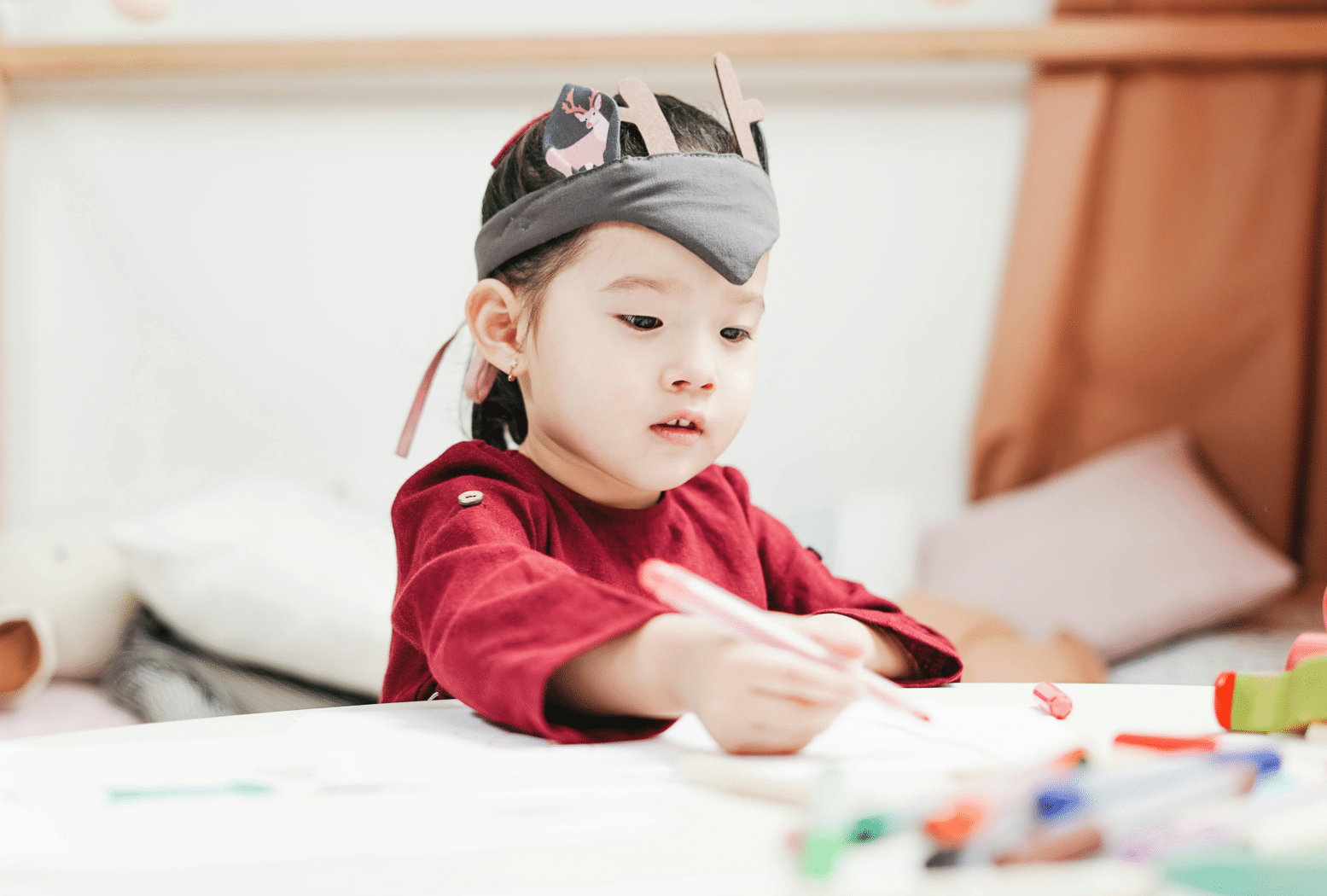
Example:
In a Reggio-inspired classroom, children are engaged in a long-term project about building a “mini city.”
- They design buildings using recycled materials.
- They draw maps of roads and parks.
- They role-play different community roles.
This reflects the Reggio philosophy — inquiry-based, creative, collaborative, and child-led.
Here’s where Habits of Mind™ becomes visible — while children work on the project, teachers are intentionally observing and guiding specific thinking behaviours:
- When a child’s building collapses, the teacher reinforces persistence.
• When children disagree about where to place a road, the teacher guides listening with empathy.
• When materials run out, children practice thinking flexibly.
• At the end of the session, children are asked to reflect: “What worked well today? What would you change tomorrow?”
The teacher is not only facilitating a project — they are deliberately cultivating thinking habits.
Over time, these skills are not accidental. They are reinforced, named, practiced, and strengthened consistently. Reggio Emilia ensures your child experiences meaningful, creative learning, while Habits of Mind™ ensures your child develops measurable cognitive, social, and emotional growth through those experiences.
As a parent, this means:
- You can see how your child handles challenges, not just what they create.
- You understand how their problem-solving, empathy, and flexibility are developing.
- You gain reassurance that learning outcomes are intentional — not left to chance.
Your child is not just completing projects — they are developing structured thinking skills that transfer to primary school, group work, leadership roles, and real-life decision-making.
Comparison Table: Habits of Mind™ VS Reggio Emilia
| Feature | Reggio Emilia | Habits of Mind™ |
| Focus | Environment & exploration | Thinking dispositions & behaviour |
| Approach | Emergent, project-based | Structured, teachable habits |
| Key Outcome | Creativity & inquiry | Resilience & reflective thinking |
| Teacher Role | Facilitator | Guide of thinking strategies |
| Application | Classroom | Life skills |
Reggio Emilia offers children a rich, creative, and inspiring learning environment. It sparks curiosity, encourages self-expression, and nurtures a love of exploration — all qualities that parents value deeply.
However, creativity and exploration alone are not enough. Without structured thinking skills, children may struggle to persist through challenges, reflect on their learning, manage emotions, or collaborate effectively with peers. These skills don’t develop automatically; they require intentional guidance.
That’s where Habits of Mind™ (HOM) complements the Reggio approach. By teaching children how to think, plan, and adapt, HOM ensures that curiosity translates into resilience, problem-solving, and lifelong learning skills. Children not only enjoy the process of learning — they develop the tools to succeed academically, socially, and emotionally, both in preschool and beyond.
For parents, this combination means you can trust that your child isn’t just participating in engaging projects — they’re building thinking habits that prepare them for school, challenges, and the future.
Learn more about how Mulberry Learning embeds Habits of Mind™ in our programmes and gives children the confidence, resilience, and skills to thrive.
Frequently Asked Questions About Reggio Emilia and Habits of Mind™
1. What is the difference between Reggio Emilia and Habits of Mind™?
Reggio Emilia is an educational philosophy that focuses on child-led learning, creativity, and exploration through projects and environment design.
Habits of Mind™ is a structured framework that teaches children specific thinking dispositions — such as persistence, managing impulsivity, flexible thinking, and reflection — so they know how to approach challenges when learning becomes difficult.
In practice, Reggio Emilia creates meaningful learning experiences, while Habits of Mind™ ensures children develop the cognitive and emotional skills to navigate those experiences effectively.
2. Is Reggio Emilia enough on its own for my child to be future-ready?
Reggio Emilia builds strong creativity, communication, and curiosity — all essential foundations.
However, being future-ready also requires skills like:
-
staying focused on difficult tasks
-
managing frustration
-
problem-solving independently
-
reflecting on mistakes
These are explicitly taught through Habits of Mind™, which complements Reggio Emilia by developing resilience and executive functioning skills needed for primary school and beyond.
3. Why is Habits of Mind™ important in early childhood?
Early childhood is when thinking habits are formed.
When children consistently practise behaviours like:
-
persisting when tasks are hard
-
thinking flexibly
-
listening with empathy
-
reflecting on their work
Over time, these dispositions become automatic. This helps children become more confident learners who can adapt to new environments, expectations, and challenges as they grow.
4. How do teachers teach Habits of Mind™ in Mulberry Learning?
Our Teachers integrate Habits of Mind™ into everyday moments rather than teaching it as a separate subject.
For example:
-
Asking reflective questions after activities
-
Encouraging children to verbalise their thinking
-
Guiding children to try new strategies when something doesn’t work
In Mulberry Learning, these are integrated in everyday teaching in the classroom, through songs, questions and activties. This makes thinking skills visible and intentional, helping children internalise them over time.
5. How does combining Reggio Emilia and Habits of Mind™ benefit children?
When combined, children experience the best of both approaches:
-
Rich, engaging projects that spark curiosity
-
Opportunities for creative expression
-
Explicit teaching of resilience and problem-solving
-
Development of emotional regulation and social skills
This holistic approach supports not only academic readiness but also confidence, adaptability, and lifelong learning habits.
6. Will my child still enjoy learning if there is more structure?
Yes — Habits of Mind™ does not make learning rigid.
Instead, it provides language and guidance that helps children feel more capable when they encounter challenges. Children often become more confident and engaged because they know what to do when they feel stuck, frustrated, or unsure.
7. How can parents support Habits of Mind™ at home?
Parents can reinforce these thinking habits through simple daily interactions, such as:
-
Asking “What strategy could you try next?”
-
Praising effort rather than just outcomes
-
Encouraging children to reflect on experiences
-
Modelling patience and problem-solving
Consistency between school and home helps children develop stronger self-regulation and resilience.